Ligand-Based Pharmacophore Generation
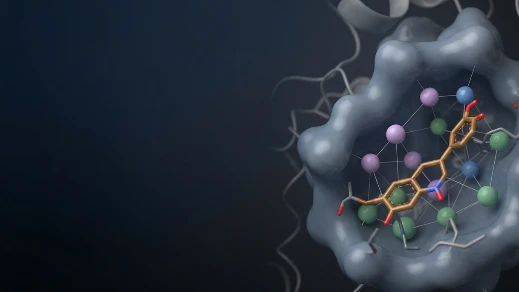
 3D Feature Extraction
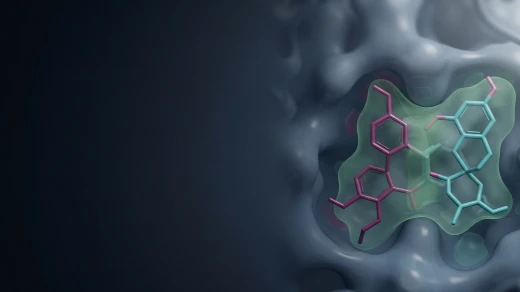
  Scaffold Hopping
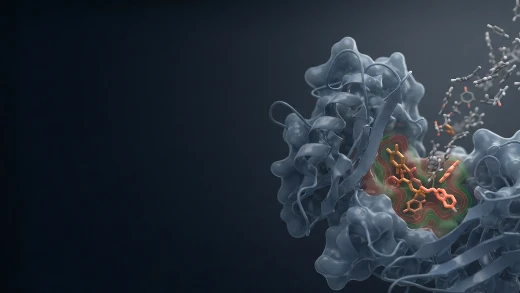
  Virtual Screening Integration
 Active compounds encode binding features that transcend chemical class. We extract 3D pharmacophore hypotheses from known ligands to screen millions of novel scaffolds.
Why Ligand-Based Pharmacophore Generation Is the Critical Bridge Between Chemistry and Discovery?
High-throughput screening yields hits, but patent cliffs and scaffold fatigue limit chemical diversity. Ligand-based pharmacophore generation extracts essential binding features—hydrogen bonds, hydrophobic cores, aromatic stacking—from active compounds without requiring a target crystal structure. For seed-stage biotechs with a single validated hit, this means scaffold-hopping into patent-clear chemical space. For pharma teams, it means rescuing series with poor ADMET by identifying alternative scaffolds that preserve the pharmacophore.
What Sets the Platform Apart
AI-Enhanced Feature Extraction
ML models trained on ITC and BLI data prioritize affinity-correlated features. R² > 0.75.
Scaffold Hopping Engine
Proprietary algorithm matches pharmacophore features across distinct libraries. ADMET Prediction & Modeling filters liabilities.
Wet-Lab Validation Loop
SPR and Co-crystallization and Soaking validate hits. Feedback closes loop.
The Ligand-Based Pharmacophore Suite
Common Feature Pharmacophore
Consensus Feature Extraction from Multiple Actives
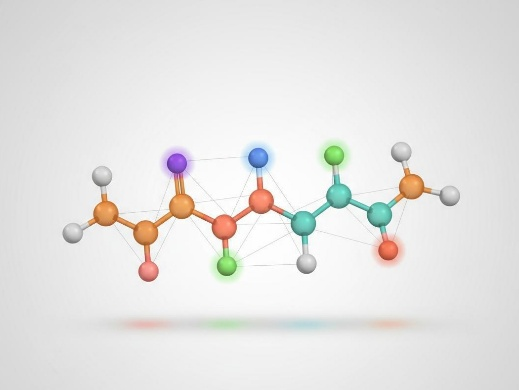
- Feature Alignment & Overlay — Superposition of 3–10 active compounds to identify shared hydrogen bond donors, acceptors, hydrophobic regions, and aromatic rings.
- Feature Frequency Scoring — ML-weighted scoring of features based on conservation across actives and correlation with measured affinity.
- Ideal For — Series with multiple confirmed actives; Hit Identification enrichment; target classes without crystal structures.
For virtual biotechs with a single chemical series, common feature pharmacophore generation identifies the minimum feature set required for binding—enabling searches in Structure-Based Virtual Screening (SBVS) and Ligand-Based Virtual Screening (LBVS) libraries for structurally novel replacements.
3D-QSAR Pharmacophore
Affinity-Correlated Feature Mapping

- Hypothesis Generation — Automated construction of 3D-QSAR models correlating pharmacophore feature geometry with pIC₅₀ or Kd.
- Predictive Scoring — Novel compounds scored by pharmacophore fit and predicted affinity, not just feature matching.
- Ideal For — Lead optimization; SAR expansion; potency prediction for untested analogs.
For pharma teams optimizing a lead series, 3D-QSAR pharmacophores quantify how feature adjustments affect affinity. When combined with ADMET Prediction & Modeling, this guides medicinal chemistry toward potent, developable analogs.
Scaffold Hopping
Patent-Clear Scaffold Discovery
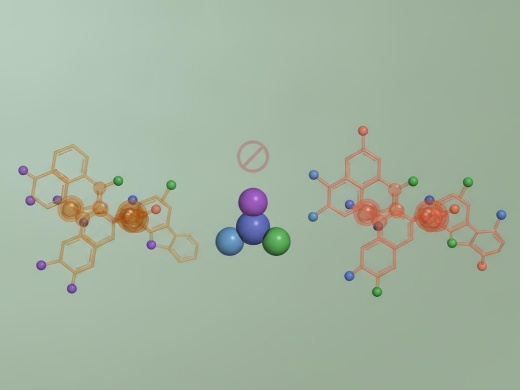
- Feature-Matching Search — Database screening for compounds that match the pharmacophore but share no substructure with the original series.
- Synthetic Accessibility Filtering — Post-screening filter for commercially available or synthetically tractable scaffolds.
- Ideal For — Patent avoidance; series rescue; accessing new intellectual property.
Scaffold hopping transforms a single active series into a diverse chemical portfolio. For biotechs facing competitor patent thickets, this delivers patent-clear leads with validated pharmacophore features. For pharma teams, it expands medicinal chemistry options when a scaffold hits ADMET or selectivity walls.
Platform Instrumentation
| Software / System | Core Capability |
|---|---|
| LigandScout | Automated 3D pharmacophore generation from ligand overlays; feature detection and geometric constraint assignment. |
| Schrödinger Phase | 3D-QSAR pharmacophore development with survival analysis and affinity prediction. |
| MOE Pharmacophore | Ligand-based and hybrid pharmacophore generation with scaffold hopping and feature annotation. |
| Discovery Studio | Common feature and 3D-QSAR pharmacophore modeling with receptor-ligand interaction mapping. |
| RDKit + scikit-learn | Custom ML feature extraction and pharmacophore scoring model development. |
| ChemAxon | Molecular descriptor calculation and scaffold analysis for hop feasibility. |
| NVIDIA A100 GPU Cluster | Parallelized pharmacophore screening of billion-compound libraries. |
| PyMOL + Maestro | Pharmacophore visualization, feature overlay analysis, and hit inspection. |
Standardized Workflow
Project Workflow
A standardized, milestone-driven execution system. From active compound set to validated scaffold hypotheses—managed by a single computational project team, tracked in real time.


01 Active Compound Review & Feature Extraction
- Active compound collection: SMILES, SDF, or biological activity data.
- Activity threshold definition (IC50, pIC50, Kd).
- Conformer generation and 3D alignment.
Deliverable: Aligned compound set + feature map.
02 Pharmacophore Hypothesis Generation
- Feature alignment and overlay of active compounds.
- Common feature identification: H-bond donors, acceptors, hydrophobic, aromatic.
- 3D-QSAR model training (if affinity data available).
Deliverable: Pharmacophore hypothesis with feature definitions and tolerances.
03 Virtual Screening Execution
- Pharmacophore query construction with tolerance spheres.
- Database screening: Structure-Based Virtual Screening (SBVS) or Ligand-Based Virtual Screening (LBVS) libraries.
- ADMET filtering and synthetic accessibility scoring.
Deliverable: Ranked hit list with pharmacophore fit scores.
04 Hit Refinement & Validation
- Hit clustering and scaffold diversity analysis.
- Pharmacophore fit scoring and Binding Free Energy Calculation (FEP/TI, MM/PBSA) rescoring.
- Molecular Dynamics (MD) Simulations for pose stability.
Deliverable: Refined hit dataset with stability metrics.
05 Report & Handoff
- Final pharmacophore report with hit list.
- Scaffold hopping recommendations and synthetic accessibility.
- Direct handoff to Hit Biophysical Characterization or Co-crystallization and Soaking if contracted.
Deliverable: Final report + data package + transition plan to Hit to Lead or Lead Optimization.
Sample Requirements
| Requirement | Details |
|---|---|
| Active compounds | 3–10+ known actives in SMILES/SDF; include measured IC50, Kd, or pIC50 |
| Inactive compounds | Known decoys or inactive analogs for model validation (recommended) |
| Target information | Target class or biological context for feature prioritization |
| Project scope | Scaffold hopping, SAR expansion, or hit identification |
| Prior screening data | Any existing virtual screening or docking results to avoid redundancy |
Standard Deliverables
- Aligned 3D conformer set with feature overlay visualization
- Pharmacophore hypothesis with feature definitions, tolerance spheres, and exclusion volumes
- 3D-QSAR model and predictive scoring table (if affinity data provided)
- Ranked hit list (top 100–500) with pharmacophore fit scores and scaffold diversity metrics
- Scaffold hopping recommendations with synthetic accessibility assessment
- Electronic data package formatted for Ligand-Based Virtual Screening (LBVS) or Hit to Lead handoff
Frequently Asked Questions
Case Study
Case Study: Pharmacophore-Guided Discovery of Selective PDE5 Inhibitors
Published Evidence:
Luo W, et al. Molecular Dynamics-Assisted Discovery of Novel Phosphodiesterase-5 Inhibitors Targeting a Unique Allosteric Pocket. Molecules. 2025 Jan 27;30(3):588.
Key Findings:
- Pharmacophore Screening: A 3D pharmacophore model was constructed from known PDE5 inhibitors and used to screen the SPECS database, identifying 33 candidate compounds.
- Hit Validation: Seven compounds (21% hit rate) showed >50% enzymatic inhibition at 10 μM. Compound AI-898/12177002 exhibited IC50 = 1.6 μM.
- Selectivity: AI-898 demonstrated >10-fold selectivity for PDE5 over PDE6, addressing the adverse effect liability of marketed inhibitors.
Industrial Translation:
For seed-stage biotechs, this paradigm demonstrates that ligand-based pharmacophore screening achieves 21% hit rates—orders of magnitude above random HTS—while accessing novel scaffolds. For pharma teams, the integration of pharmacophore filtering with Molecular Dynamics (MD) Simulations and Binding Free Energy Calculation (FEP/TI, MM/PBSA) delivers selective leads with pre-validated binding mechanisms. Our platform operationalizes this workflow within an audit-ready pipeline, pairing pharmacophore generation with ADMET Prediction & Modeling and biophysical validation.
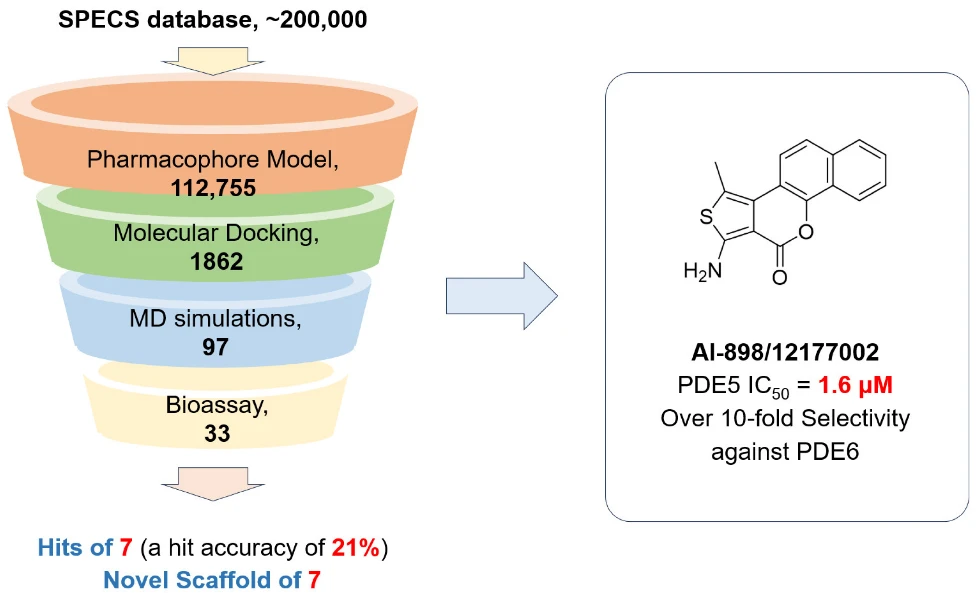
Figure 1. Workflow of the virtual screening processes, combining the pharmacophore model screening, molecular docking, MD simulations, and bioassays. (Luo W, et al. 2025)
Reference
- Luo W, et al. Molecular Dynamics-Assisted Discovery of Novel Phosphodiesterase-5 Inhibitors Targeting a Unique Allosteric Pocket. Molecules. 2025 Jan 27;30(3):588.
Need validated ligand-based pharmacophore data to advance your hit identification pipeline? Our team can design a pharmacophore campaign tailored to your active compounds, target class, and intellectual property requirements. Contact our scientific team today to start your project.