Lead Preclinical Development
 ADME-Tox Screening
  NMR Pharmacometabonomics
  Zebrafish In Vivo
  IND-Ready Data Packages
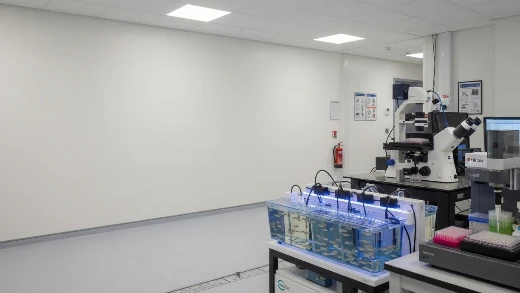
 Most clinical-stage failures trace back to preclinical risks that were invisible during lead optimization. We operate as your virtual preclinical development engine, integrating high-throughput ADME-Tox screening, NMR-based systems pharmacology, and vertebratein vivo validation to de-risk your candidate before you commit to expensive mammalian studies. For seed-stage biotechs, this means generating the safety and pharmacokinetic data investors and regulators demand — without building an animal facility. For pharma, this means compressing preclinical timelines while maintaining GLP-ready data integrity.
Creative Biostructure at a Glance






Why Partner With Us
Over 30% of drug development failures stem from unforeseen toxicity or unfavorable pharmacokinetics — liabilities that traditional lead optimization simply doesn't expose. We built this platform as an early warning system that catches ADMET failures, organ toxicity, and metabolic liabilities before they become expensive clinical surprises.
Your CapEx is in chemistry and disease biology. Ours is in analytical infrastructure and vertebrate validation.
| Stage | What We Deliver | What You Don't Need to Build |
|---|---|---|
| ADME-Tox Screening | High-throughput in vitro ADME panel: solubility, permeability, metabolic stability, CYP/hERG | Automated liquid handling, LC-MS/MS, hepatocyte facility |
| Systems Pharmacology | NMR-based pharmacometabonomics: non-targeted metabolite monitoring, organ injury biomarkers | 600/800 MHz NMR, metabolomics bioinformatics team |
| In Vivo Validation | Zebrafish efficacy & safety models: organ toxicity, developmental safety, disease-relevant efficacy | Aquatic facility, transgenic zebrafish colony, embryology team |
| Data Handoff | Preclinical data package with trend analysis, biomarker rationale, and IND-directed recommendations | — |
Production-Ready Deliverables: Every candidate exits with a complete preclinical dossier — ADME parameters, metabolomic atlas, zebrafish organ toxicity scoring, and survival/efficacy curves — formatted for investor diligence, regulatory pre-submission, or direct transition to GLP toxicology CROs.
- ✓ Milestone-based pricing aligned with your Series A/B fundraising cycles
- ✓ No vivarium or analytical lab overhead — from compound to data package under one project manager
Hidden liabilities kill programs in Phase I. We front-load the safety and PK certainty that IND reviewers demand.
Rapid ADME triage
Automated in vitro ADME screening identifies solubility cliffs, metabolic instability, and CYP/hERG liabilities within days — not months.
Systems-level toxicity detection
NMR pharmacometabonomics captures organ injury signals invisible to single-parameter assays, providing a metabolic "early warning system" before histopathology.
Vertebrate validation at 1/10th the cost
Zebrafish in vivo models bridge the gap between cell-based data and mammalian studies, generating OECD-accepted developmental toxicity data and preliminary efficacy signals.
Audit-ready data integrity
All workflows operate under standardized SOPs with encrypted data storage, full chain-of-custody, and documentation systems compatible with FDA/EMA pre-IND expectations.
Core Service Modules
Service Module At-a-Glance
| Service | Core Capability | Structural + Computational Integration | Typical Timeline |
|---|---|---|---|
| In Vitro ADME-Tox Profiling | Solubility, permeability, metabolic stability, CYP inhibition, hERG/cytotoxicity screening | AI-ADMET prediction pre-filters liabilities; QSAR models guide counter-screening design | 2–4 weeks |
| NMR-based Pharmacometabonomics | Non-targeted urinary/serum metabolite monitoring; drug-induced metabolic trajectory mapping; organ injury biomarker discovery | Metabolic pathway modeling and AI-driven biomarker pattern recognition for toxicity prediction | 3–6 weeks |
| Zebrafish In Vivo Validation | Developmental toxicity, organ-specific safety (cardiac/hepatic/neural), disease model efficacy, preliminary PK | High-content imaging with AI-driven phenotypic analysis; transcriptomic matching for MoA deconvolution | 2–3 weeks per assay |
In Vitro ADME-Tox Profiling
Rapid Triage Before Mammalian Commitment

Key Features of Our ADME-Tox Services:
- Automated High-Throughput Screening — Robotic liquid handling across solubility (thermodynamic/kinetic), permeability (Caco-2/PAMPA), metabolic stability (microsomes/hepatocytes, t½), and CYP450 inhibition panels.
- Core Toxicity Battery — hERG channel liability, Ames mutagenicity, and cytotoxicity screening to flag cardiac and genotoxic risks early.
- AI-ADMET Pre-Filter Integration — Computational predictions (hERG, CYP, solubility, LogP) guide the experimental panel design, ensuring resources focus on highest-risk compounds.
What We Offer:
For virtual biotechs, this means knowing your compound's developability profile before spending on GLP tox studies. For pharma, this means audit-ready ADME datasets with Z'-factor QC, replicate statistics, and instrument calibration records that satisfy regulatory scrutiny.
Explore ADME-Tox Profiling →NMR-based Pharmacometabonomics
Systems-Level Metabolic Risk Detection
Key Features of Our Pharmacometabonomics Services:
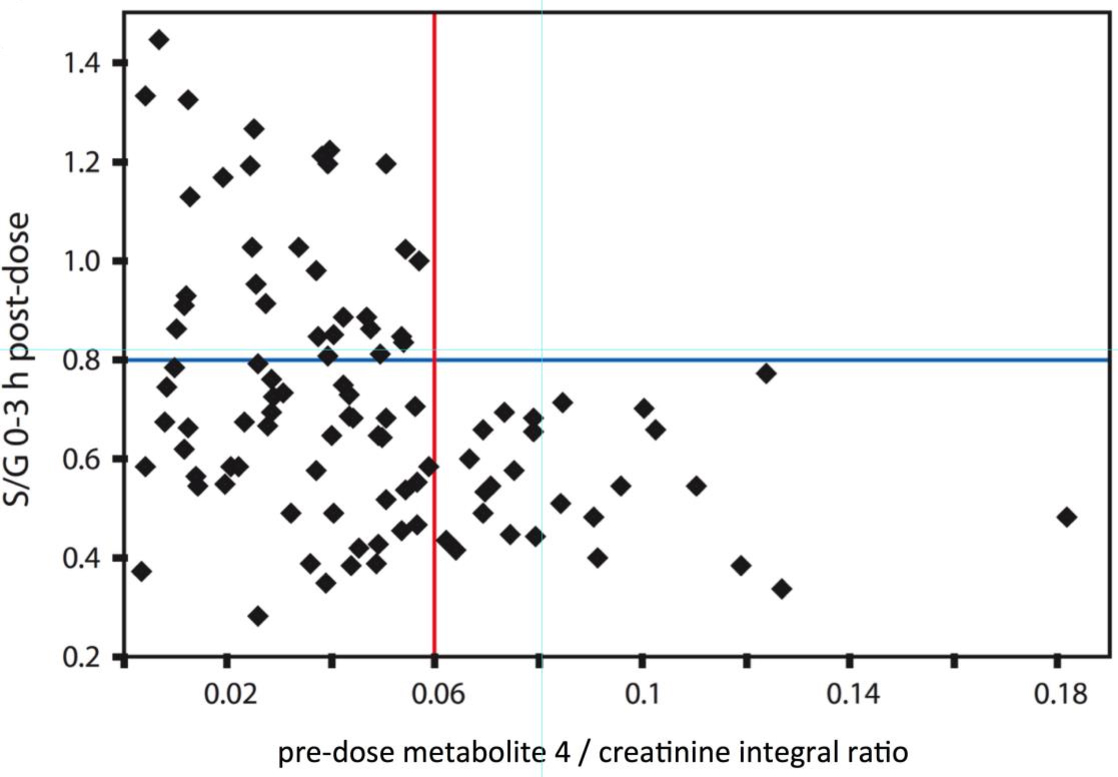
- Non-Invasive, Non-Targeted Monitoring — 600/800 MHz high-field NMR simultaneously detects hundreds of endogenous urinary and serum metabolites without complex sample derivatization — revealing drug-induced metabolic shifts invisible to targeted LC-MS panels.
- Organ Injury Biomarker Discovery — Time-resolved metabolite trajectories (e.g., acylcarnitines, nucleosides, organic acids) flag mitochondrial stress, renal tubular injury, or hepatic dysfunction before histopathological changes appear.
- Computational Metabolic Modeling — Pathway analysis and AI-driven pattern recognition transform raw NMR spectra into mechanistic toxicity hypotheses and biomarker rationales.
What We Offer:
Traditional toxicology waits for organ damage to become visible. Our NMR pharmacometabonomics platform captures the systemic metabolic response to drug exposure — providing a mechanistic basis for safety assessment that targeted assays cannot match.
Explore Pharmacometabonomics →Zebrafish In Vivo Validation
Vertebrate Efficacy & Safety at In Vitro Speed
Key Features of Our Zebrafish Services:
- Developmental Toxicity (OECD 236) — Standardized teratogenic index scoring, mortality curves, and morphological endpoint assessment accepted by FDA/EMA as part of integrated preclinical safety packages.
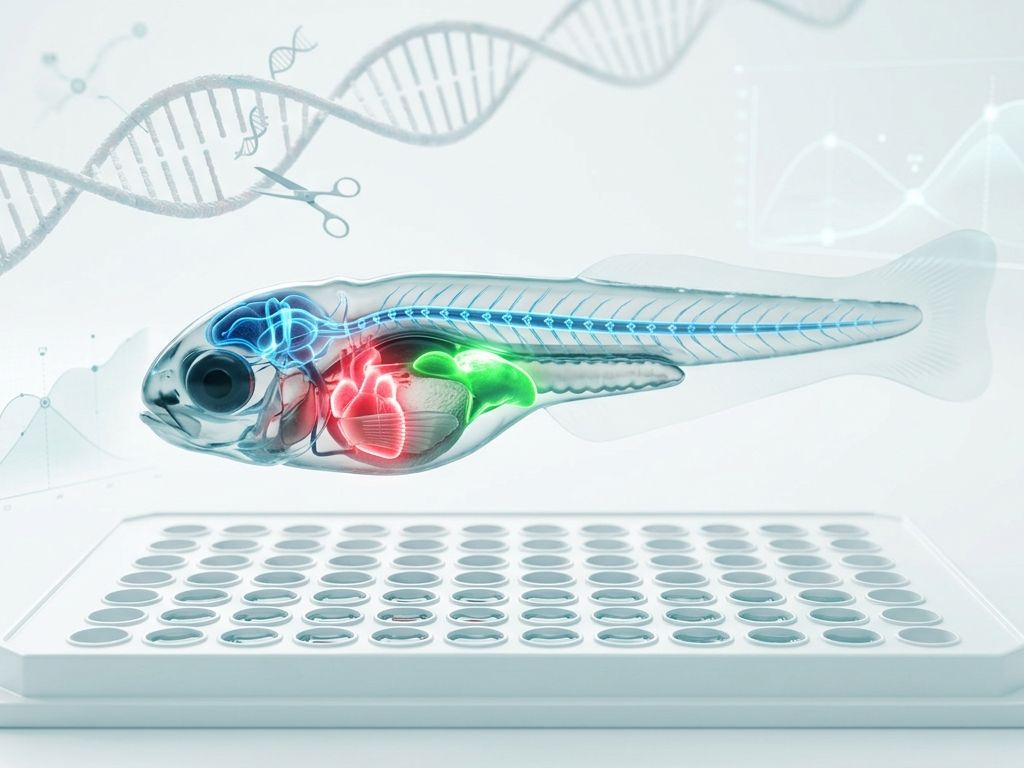
- Organ-Specific Safety Profiling — Fluorescent transgenic reporters and high-content imaging for cardiac function (arrhythmia, contractility), hepatic metabolism (steatosis, necrosis), and neurodevelopmental toxicity.
- Disease Model Efficacy — CRISPR-edited disease models (oncology, neurodegeneration, cardiovascular) enabling compound efficacy validation in a whole-organism vertebrate context at 1/10th the cost of rodent studies.
What We Offer:
For biotechs, this means accessing vertebrate validation data without vivarium CapEx. For pharma, this means parallel in vivo safety tracks that compress preclinical timelines by 3–6 months and generate OECD-accepted data for regulatory submissions.
Explore Zebrafish Validation →Technology Platform
Integrated Preclinical Infrastructure: Analytics + Biology + Compliance
Our platform spans automated analytical chemistry, high-field NMR metabolomics, and vertebrate imaging — enabling preclinical evaluation without the fragmentation of coordinating an analytical CRO, an NMR facility, and a vivarium.
Dry Lab — Computational & Analytical Platform
Powered by our MagHelix™ CADD Platform and bioinformatics infrastructure
| Instrument / Infrastructure | Role in Preclinical Development |
|---|---|
| AI-ADMET Prediction Cluster | Transformer models flagging metabolic liabilities and prioritizing compounds for experimental ADME screening |
| Metabolomics Bioinformatics Pipeline | Automated NMR spectral deconvolution, metabolite identification, and pathway enrichment analysis |
| Elastic Cloud Screening Infrastructure | Scalable compute for high-throughput QSAR and virtual counter-screening against anti-target panels |
NVIDIA DGX A100

Dell PowerEdge R750

Dell Precision 7960 Rack
Wet Lab — Analytical & In Vivo Validation
Powered by our MagHelix™ Zebrafish Screening Platform and analytical suite
| Instrument / Model | Role in Preclinical Development |
|---|---|
| Waters Xevo TQ-S micro LC-MS/MS | Quantitative ADME analysis: metabolic stability, CYP inhibition, and permeability assay readouts |
| Bruker Avance NEO 600/800 MHz NMR | High-resolution pharmacometabonomics: non-targeted metabolite profiling and biomarker quantification |
| DanioVision Behavioral Tracking + Zeiss Lightsheet Z.1 | Automated zebrafish locomotor/behavioral phenotyping and real-time organ imaging for toxicity/efficacy assessment |
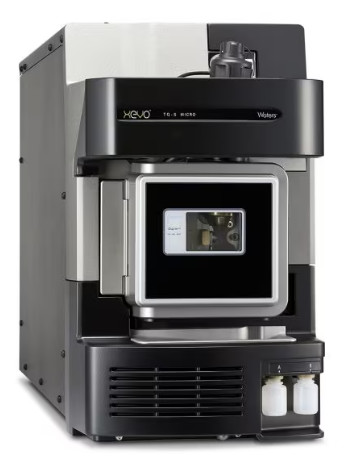
Waters Xevo TQ-S micro
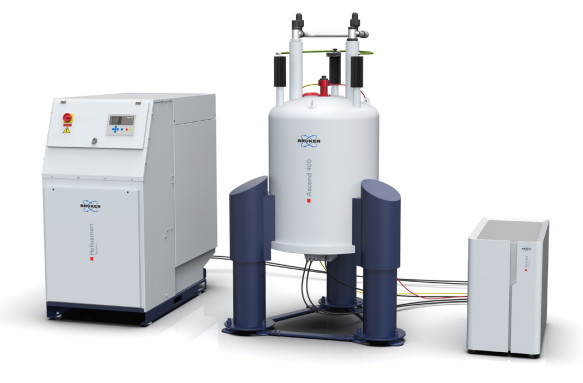
Bruker Avance NEO 600 MHz
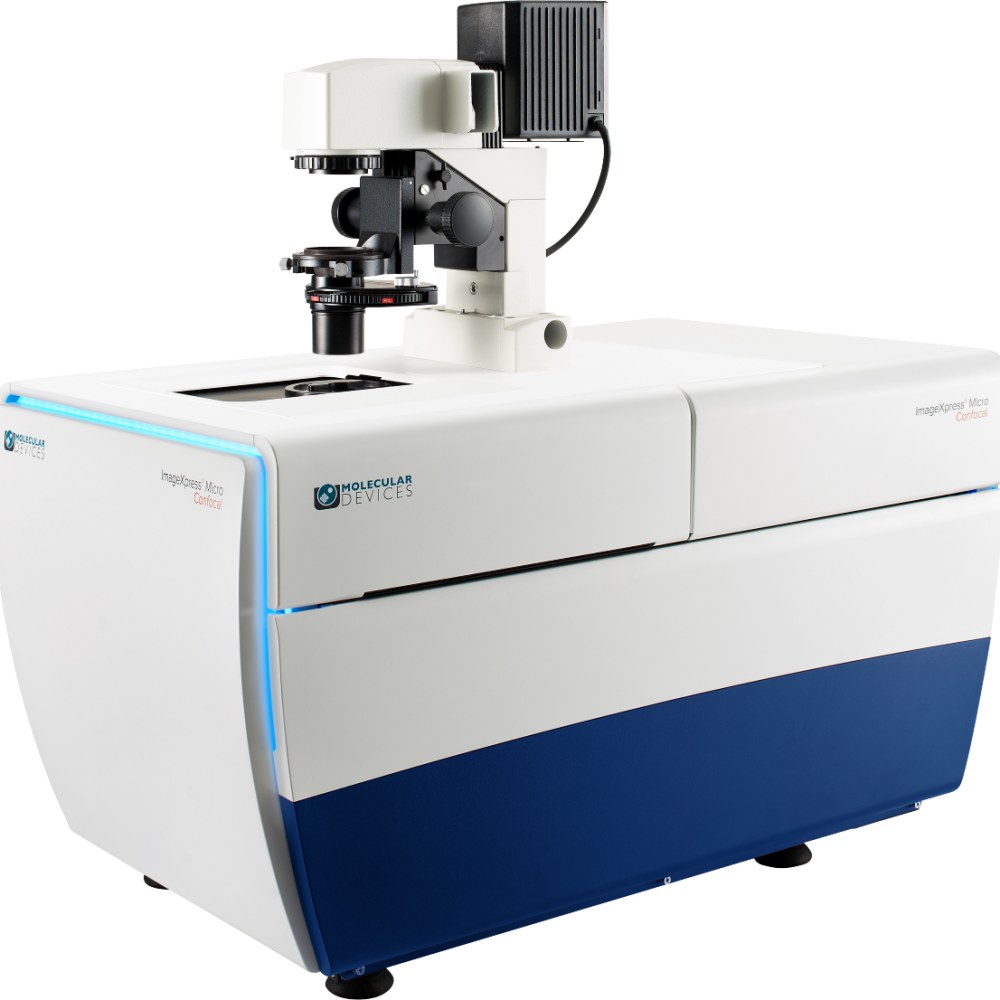
ImageXpress Micro Confocal
Platform Edge: The integration of AI-ADMET pre-filtering → automated in vitro validation → NMR systems biology → zebrafish in vivo confirmation creates a four-tier risk firewall that catches liabilities at 1/100th the cost of late-stage clinical failure.
Closed-Loop Discovery Engine
When Analytical Data Meets Biological Prediction
Traditional preclinical workflows separate in vitro screening from in vivo validation — creating gaps where cell-based liabilities fail to predict whole-organism outcomes. Our platform operates as a closed-loop system: every ADME result and metabolomic signature feeds back into our predictive models.
AI-ADMET → Experimental Screening
Computational predictions of solubility, metabolic stability, and hERG liability prioritize which compounds enter the automated ADME panel, reducing wet-lab workload by 60%+.
Prediction → In Vitro
ADME → Pharmacometabonomics
In vitro metabolic stability data (t½, CYP profile) guides NMR metabolomics panel design, focusing on pathways most likely affected by the compound's biotransformation.
ADME → NMR
Metabolomics → Zebrafish Validation
NMR-identified organ stress biomarkers (e.g., acylcarnitines for mitochondrial toxicity) inform which organ systems to prioritize in zebrafish high-content imaging.
NMR → In Vivo
Industrial Value:
For biotechs
Your preclinical data trains our models for your next candidate. Every program makes the platform smarter — a compounding risk-reduction partnership.
For pharma
Every tier of validation is linked with project IDs, timestamps, and SOP versions — fully audit-ready for IND pre-submission meetings and regulatory review.
Project Management & Execution
Project Workflow
A standardized, milestone-driven execution system. From compound receipt to IND-ready preclinical package.


01 Intake & QC
- In-depth target review, druggability assessment, and competitive landscape analysis
- Screening modality selection: HTS, FBDD, or HCS
- Deliverable: Project proposal with Gantt-chart milestones, budget, and risk matrix
02 In Vitro ADME-Tox
- Target structure modeling / optimization (X-ray / Cryo-EM / AI prediction)
- Large-scale virtual screening + molecular docking at 10^8-compound scale
- Multi-parameter scoring and candidate ranking
- Deliverable: Virtual screening report + Top 500 compound shortlist
03 Pharmacometabonomics
04 Zebrafish In Vivo
- Dose-response curves (IC50/EC50) and selectivity assessment
- Biophysical validation: SPR, ITC, TSA
- Structural biology: co-crystal structures / Cryo-EM / NMR
- Deliverable: Validated hit report + structural data
05 Preclinical Package
- Complete screening data + Z' statistics and QC summaries
- Preliminary SAR analysis and clustering
- Computational docking models + binding mode predictions
- ADMET risk flags and follow-up optimization recommendations
- Hit-to-Lead transition plan
- Deliverable: Final technical report + electronic data package
Sample Requirements
To ensure a precise starting point for experiments, we recommend clients provide:
- Compound quantity: 5-20 mg powder, purity ≥95%
- Solvent compatibility: Solubility data in DMSO, physiological saline, or common co-solvents
- Background information: Chemical stability data and intended target mechanism of action
Standard Deliverables
- ADME-Tox Data Package: IC₅₀, Papp, T½ and other critical parameters
- Metabolomic Atlas: NMR analysis reports with differential metabolite pathway mapping
- Zebrafish Documentation: Organ damage scoring, survival curves, and fluorescent imaging archives
Frequently Asked Questions
Our Zebrafish Toxicity and Safety Assays operate under OECD TG 236, a framework recognized by FDA and EMA for integrated preclinical safety assessment. The data serves as a complementary de-risking layer that helps front-load safety signals ahead of GLP mammalian studies — allowing you to identify liabilities and halt progression at roughly 1/10th the cost of a full rodent program, without duplicating downstream work unnecessarily.
You pay for outcomes, not infrastructure. Milestone-based pricing aligns with fundraising cycles, and a single project manager runs the compound from intake to final package. No facility build-out, no idle capacity, no FTE overhead.
A complete dossier: In Vitro ADME-Tox Profiling parameters with Z′-factor QC, NMR-based Pharmacometabonomics atlas with biomarker rationale, Zebrafish Toxicity and Safety Assays organ toxicity scoring and imaging archives, plus IND-directed recommendations. All under version-controlled SOPs with encrypted chain-of-custody — ready for regulatory pre-submission and direct CRO handoff.
The ADMET Prediction & Modeling cluster flags solubility cliffs, metabolic instability, and hERG liabilities before a single plate is run, cutting experimental workload by 60%+. Your limited compound supply and budget go only to candidates with the highest developability probability.
Every negative result includes QSAR Analysis and optimization recommendations tied to the specific liability — whether a CYP soft spot, mitochondrial stress signature, or cardiac deficit. Your next design cycle starts with mechanistic insight, not guesswork.
One closed-loop platform, not a vendor network. A single project ID, unified data architecture, and one audit trail eliminate translation loss between ADME, NMR, and zebrafish teams. You get one report and one point of contact.
No — it is an early warning layer. NMR-based Pharmacometabonomics captures organ injury signals before histopathological changes appear, allowing you to design downstream GLP studies with targeted organ focus and potentially reduced animal numbers.
Standardized 10-week cascade: Intake → In Vitro ADME-Tox Profiling → NMR-based Pharmacometabonomics → Zebrafish Disease Model Generation → Preclinical Package. Each module is go/no-go gated; you can pause, pivot, or accelerate based on board review schedules or funding milestones without paying for downstream work on a failed compound.
Case Study
Third-Party Validation: NMR Pharmacometabonomics as an Early Safety Firewall — The Gefitinib Model
The Risk
Histopathology reveals organ injury too late. By then, chemistry cycles and GLP animal costs are already sunk. The industrial need is a pre-morphology alert system that flags metabolic stress before it becomes structural damage.
The Published Evidence
King et al. (2025) monitored urinary metabolic trajectories following oral Gefitinib administration using high-field NMR. Their non-targeted, non-invasive approach captured transient drug-induced metabolic shifts across four post-dose timepoints — signals invisible to standard ADME panels.
Industrial Translation
- Mitochondrial stress flagged via acylcarnitine elevations before hepatic dysfunction became histologically visible
- Renal handling pressure detected through altered nucleoside excretion patterns
- Quantitative go/no-go data for program teams deciding whether to commit to GLP toxicology
For a Series B biotech, this means catching liabilities at 1/50th the cost of late-stage failure and building a pre-IND safety narrative rooted in systemic metabolic understanding, not just PK curves.
How We Apply This Our NMR-based Pharmacometabonomics platform delivers the same early-warning capability as a standardized service module: non-targeted metabolite monitoring, organ-injury biomarker discovery, and AI-driven pathway deconvolution for your lead candidates.
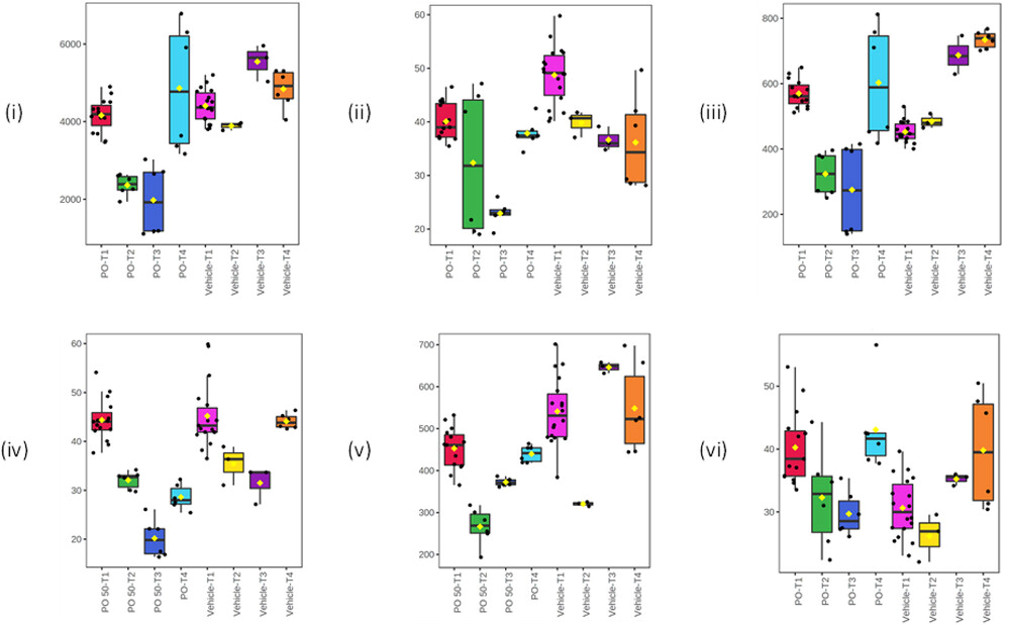
Figure 1. Pharmacometabodynamic variation in urinary excretion of six endogenous metabolites (acetylcarnitine, myristoylglycine, isobutyrylcarnitine, cyclic AMP, 3-phenylpropionylglycine, thymidine) across four timepoints post-gefitinib or vehicle dosing, with feature-normalized data. (King A, et al., 2025)
Reference
- King A, Gethings LA, Plumb RS, et al. A HILIC-IM-MS-Based Pharmacometabodynamic Study of the Effects of Orally Administered Gefitinib on the Polar Urinary Metabolic Phenotypes of C57Bl6 Mice. J Sep Sci. 2025 May;48(5):e70163.