Zebrafish Efficacy Testing
Rodent efficacy studies take 4--12 weeks and burn compound budgets before you know if your mechanism works in a whole organism. For seed-stage biotechs running lean, this timeline kills programs before they reach the clinic. For pharma teams, it delays go/no-go decisions and forces premature commitment to expensive mammalian packages. Zebrafish offer a genetically tractable vertebrate alternative---87% human gene homology, optical transparency, and pharmacological readouts in 3--7 days---but only when the model is validated, the endpoints are quantitative, and the data integrates into your decision pipeline.
Our platform delivers mechanism-resolved efficacy validation across oncology, CNS, cardiovascular, and infectious disease models, directly integrated into our disease model generation and toxicity screening pipeline. Whether you need rapid target validation as a virtual biotech or audit-ready efficacy data as a pharma team, we deliver quantitative in vivo pharmacodynamics to support your lead optimization and IND-enabling decisions.
Why Zebrafish Efficacy Testing Is the Critical Bridge Between Cells and Rodents?
Cell-based assays lack physiological drug distribution, multi-organ feedback, and integrated immunity. Rodent efficacy studies consume 4--12 weeks and six-figure budgets per compound series. For seed-stage biotechs screening 50+ analogs, this cost structure kills programs before Series A. For pharma teams, it delays portfolio decisions and forces early commitment to GLP packages without in vivo proof-of-concept.
Zebrafish close this gap as a genetically tractable vertebrate system with 87% human gene homology, optical transparency for intravital imaging, and embryonic development in days. Our platform does not merely immerse compounds and hand you survival curves. We deliver screening-ready efficacy models: validated disease induction, quantitative phenotypic endpoints, and direct integration into our toxicity and lead optimization workflows---so your efficacy data transitions directly into safety assessment and structural refinement without vendor handoffs.
Validated Disease Models, Not Generic Immersion
Every model is established via xenograft implantation, genetic induction, or pharmacological disease modeling with positive/negative controls and power-calculated cohort sizes. Data packages are formatted for direct inclusion in IND-enabling documentation and investor due diligence.
Quantitative Multi-Endpoint Readouts, Not Gross Scoring
Fluorescence-based tumor burden quantification, automated locomotor tracking, cardiac contractility imaging, and RT-PCR molecular validation enable statistically powered endpoint datasets---not subjective "improved or not" calls.
Integrated Efficacy-to-Toxicity Pipeline, Not Isolated Studies
Efficacy testing sits within the Zebrafish Screening Platform. The same team that generates your C9orf72 knockout or runs your toxicity panel executes the efficacy rescue studies. No handoff friction. One project team, one data architecture, one accountability chain.
The Zebrafish Efficacy Testing Suite
Oncology Efficacy & Tumor Xenografts
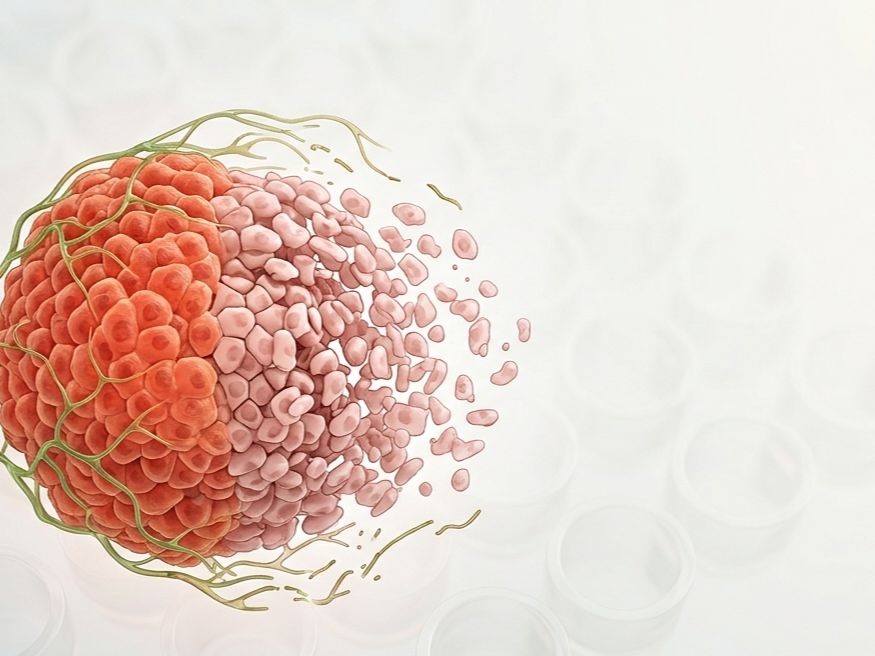
Real-Time Tumor Burden Quantification in a Living Vertebrate
Key Features:
- Patient-Derived & Cell-Line Xenografts --- Human tumor fragments or fluorescently labeled cell lines implanted into the perivitelline space; real-time tumor burden tracking via confocal fluorescence imaging.
- Angiogenesis & Microenvironment Analysis --- Vessel density quantification, immune cell infiltration tracking, and tumor-stroma interaction assessment using transgenic reporter lines.
- Combination Therapy Assessment --- Multi-drug regimen evaluation with synergy scoring and resistance mechanism profiling in the same animal.
- Ideal For --- Oncology lead validation; PDX-aligned personalized medicine programs; combination therapy prioritization; hit-to-lead transition.
Explore the Power of Screening-Ready Oncology Models:
For virtual biotechs with a single oncology asset, a zebrafish xenograft delivers quantitative tumor reduction data in 2--3 weeks---data you can present to your CSO and investors before committing to mouse efficacy studies. For pharma teams, our PDX-aligned models provide human-relevant tumor microenvironment data that cell-based assays cannot capture, with direct handoff to toxicity and ADMET teams for therapeutic window analysis.
CNS & Neurodegenerative Disease Models
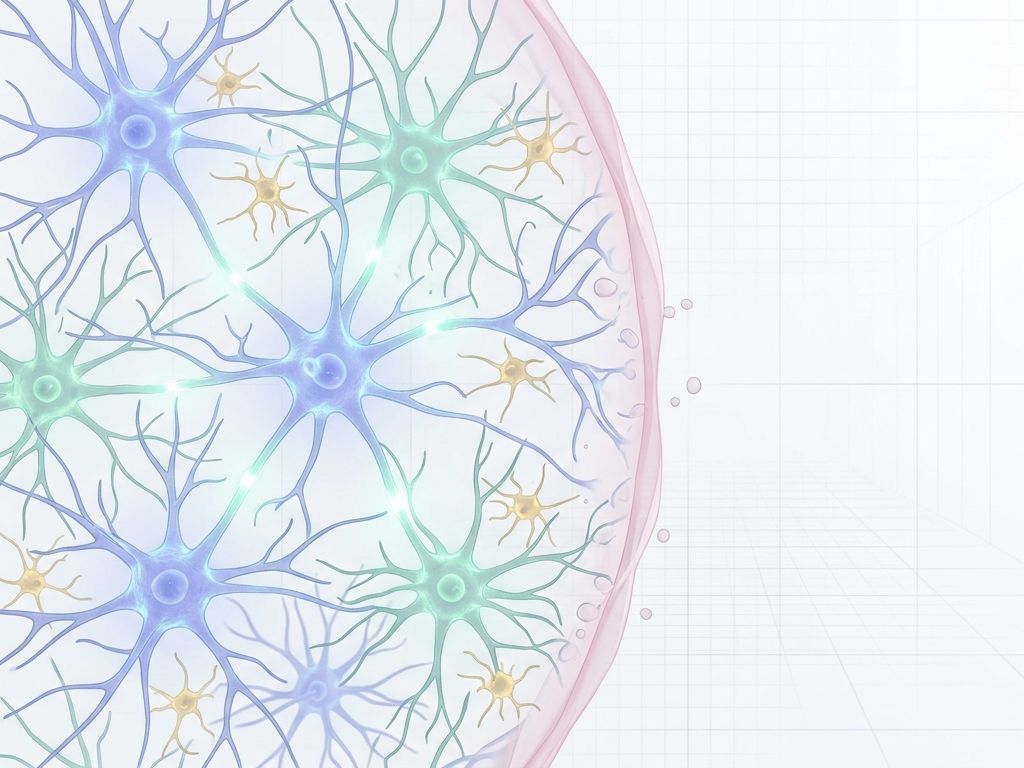
In Vivo CNS Penetration and Phenotypic Rescue Validation
Key Features:
- Behavioral & Locomotor Rescue Assays --- Automated larval tracking (distance, velocity, thigmotaxis) under alternating light-dark cycles; standardized protocols for motor deficit quantification and drug-induced rescue.
- Neuronal Apoptosis & Angiogenesis Protection --- TUNEL staining, cerebrovascular density quantification, and neuroanatomical morphometrics using fluorescent reporters.
- Molecular Endpoint Validation --- Quantitative RT-PCR and western blot profiling of disease markers (caspase-3, BDNF, inflammatory cytokines) for mechanism-of-action confirmation.
- Ideal For --- Neurodegenerative target validation; CNS-penetrant compound screening; neuroprotective therapy assessment; NMR-based pharmacometabonomics correlation.
How It Works:
CNS drug development fails when compounds cannot penetrate the blood-brain barrier or rescue disease phenotypes in vivo. For biotechs developing neurodegenerative therapies, our locomotor rescue assays detect functional improvement at sub-lethal doses---signals that cell-based neuronal cultures miss entirely. For pharma teams, the behavioral and molecular endpoint data integrates directly with in vitro ADME-Tox profiling to build a CNS exposure-efficacy narrative for regulators.
Cardiovascular & Ischemia-Reperfusion Rescue
In Vivo Cardiac Function Recovery and Cardioprotection

Key Features:
- Cardiac Ischemia-Reperfusion Models --- Pharmacologically induced cardiac injury with real-time monitoring of post-ischemic recovery; heart rate and ventricular function quantification.
- Cardioprotection Screening --- Evaluation of compounds for arrhythmia suppression, contractility restoration, and anti-apoptotic effects using cardiac troponin reporters.
- High-Resolution Functional Imaging --- Automated 96-well format confocal imaging with temperature-controlled stages for long-term cardiac observation and drug-response tracking.
- Ideal For --- Cardioprotection lead validation; anti-arrhythmic compound screening; cardiovascular regenerative therapy assessment; lead optimization stage cardiac efficacy follow-up.
Why It Matters:
Cardiovascular efficacy assessment requires whole-organism physiology where drug distribution, metabolism, and integrated cardiac function are intact. For biotechs developing cardioprotective agents, our ischemia-reperfusion models deliver quantifiable functional recovery data in 3--5 days---preserving runway while generating IND-relevant efficacy narratives. For pharma teams, the cardiac reporter data integrates directly with cardiotoxicity safety panels to establish the therapeutic window in the same model system.
Infectious Disease & Host-Pathogen Interaction
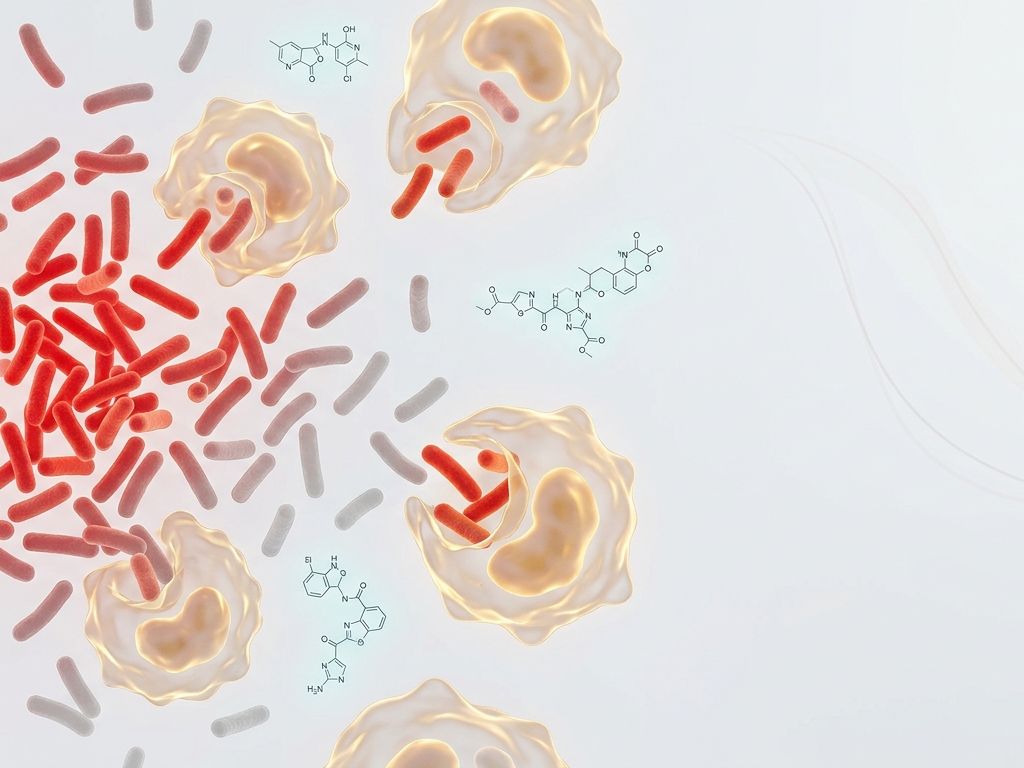
Antimicrobial Efficacy and Immune Modulation in a Whole Organism
Key Features:
- Bacterial Infection Models --- Standardized bacterial burden assays (CFU quantification) with survival analysis and immune gene expression profiling.
- Vaccination & Prophylaxis Screening --- Immunization challenge models with antibody response correlation and pathogen clearance kinetics.
- Host-Pathogen Interaction Imaging --- Real-time tracking of bacterial dissemination and immune cell recruitment using transgenic fluorescent reporters.
- Ideal For --- Antimicrobial lead validation; vaccine adjuvant screening; host-directed therapy assessment; infectious disease hit identification stage de-risking.
What We Offer:
Infectious disease drug discovery demands whole-organism models where host immunity, pathogen virulence, and drug pharmacokinetics interact. Our bacterial infection models quantify pathogen clearance and survival rescue with statistical power, while RT-PCR immune profiling reveals whether efficacy is direct antimicrobial or host-modulatory. For virtual biotechs, this means mechanism-resolved efficacy data before Series A. For pharma teams, it means anti-infective leads with validated in vivo proof-of-concept and direct handoff to toxicity and lead optimization teams.
Platform Instrumentation
| Instrument | Core Capability |
|---|---|
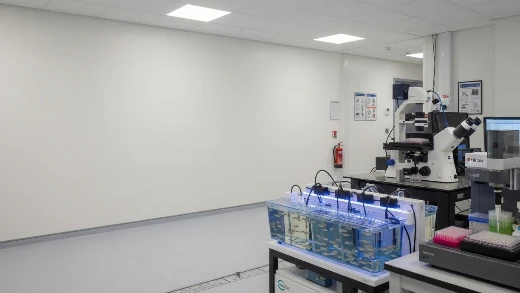
| Tecniplast ZEBTEC Multi-Rack System | Closed-loop recirculating aquaculture with automated water quality management. Temperature, pH, conductivity, and ammonia monitored continuously; UV sterilization maintains SPF-grade colonies for reproducible embryonic supply. |
| Zeiss LSM 880 with Airyscan | Live-imaging confocal platform with fast Airyscan super-resolution, temperature-controlled stage incubator, and multi-channel spectral detection. Enables real-time tumor burden quantification and cardiac contractility imaging. |
| Noldus DanioVision with EthoVision XT | Automated larval locomotor tracking chamber with controlled infrared illumination and programmable light-dark stimuli. Quantifies distance, velocity, and thigmotaxis in 96-well formats for neurobehavioral phenotyping. |
| PerkinElmer Operetta CLS | Multi-organ fluorescence imaging in 96-well format with automated focusing and phenotypic analysis. High-throughput tumor, cardiac, hepatic, and vascular endpoint quantification. |
| Bio-Rad CFX384 Touch | Real-time PCR with high-resolution melt (HRM) analysis for rapid immune gene expression profiling and molecular mechanism validation. |
| Leica M205 FA Stereomicroscope | Fluorescence-capable stereomicroscope with 20:1 zoom range and LED excitation for xenograft implantation, developmental morphology scoring, and injection quality control. |
Standardized Workflow
Project Workflow
A standardized, milestone-driven execution system. From compound receipt to quantitative efficacy report---managed by a single project team, tracked in real time.


01 Project Scoping & Model Selection
- Disease indication review and target mechanism alignment
- Model selection: xenograft, genetic, or pharmacological induction
- Compound format review, solubility assessment, and dose-range design
- Endpoint selection: imaging, behavioral, survival, or molecular
Deliverable: Study protocol + model rationale + Gantt chart
02 Disease Induction & Compound Dosing
- Embryo staging (48--72 hpf) and model establishment
- Xenograft implantation or disease induction with positive/negative controls
- Compound administration via immersion or microinjection
- Daily survival monitoring and gross phenotyping
Deliverable: Model establishment report + dosing log + QC metrics
03 In Vivo Treatment & Monitoring
- Real-time fluorescence imaging at multi-timepoints
- Behavioral assessment (locomotor, light-dark) where applicable
- Survival tracking and preliminary efficacy signals
Deliverable: Raw imaging dataset + behavioral tracking files + survival curves
04 Endpoint Quantification
- Tumor burden quantification (fluorescence area/intensity)
- Cardiac function analysis (heart rate, contractility)
- Histological and molecular validation (RT-PCR, immunostaining)
Deliverable: Quantitative endpoint data + statistical analysis + molecular profiling
05 Data Analysis & Reporting
- Dose-response curve fitting and efficacy analysis
- Cross-reference with toxicity and ADMET data if available
- Interpretative efficacy report with hit assessment
Deliverable: Final technical report + validated efficacy dataset + electronic data package + transition plan to lead optimization
Sample Requirements
| Requirement | Details |
|---|---|
| Compound form | Powder or DMSO stock; ≥ 5 mg (powder) or ≥ 500 μL at ≥ 10 mM (solution) |
| Solubility data | Required; include recommended solvent/vehicle |
| Purity | ≥ 95% recommended |
| Safety data | SDS or known hazard classification required |
| Special handling | Light sensitivity, volatility, or stability concerns |
| Prior data | Any in vitro efficacy or ADME flags to guide model selection |
Standard Deliverables
- Experimental design summary and protocol documentation
- Raw fluorescence/imaging data files
- Quantitative efficacy analysis (dose-response curves, inhibition rates, survival curves)
- Statistical analysis report (n ≥ 15 embryos/group, replicate data)
- Histology and/or RT-PCR data (if included in scope)
- Integrated data interpretation report with hit assessment summary
- Data package formatted for IND-supporting documentation
Frequently Asked Questions
Case Study
Case Study: zAvatar™ Platform for Predicting Clinical Chemotherapy Response — A Peer-Validated Paradigm
Published Evidence:
Mendes RV et al. (NPJ Precis Oncol, 2025) validated a zebrafish patient-derived xenograft (zAvatar) model for real-time prediction of breast cancer chemotherapy response. This peer-reviewed framework illustrates the translational power of the assay architecture our platform scales for industrial execution.
Key Findings (literature-reported):
- Clinical Concordance: zAvatar predictions demonstrated 100% concordance with actual clinical outcomes across 18 breast cancer patients, accurately identifying responders and non-responders mirroring RECIST criteria.
- Rapid Turnaround: Patient tumor-to-avatar transfer and efficacy readout completed within 3 days post-implantation---far faster than traditional mouse PDX models.
- Mechanistic Resolution: Treatment-induced apoptosis in zAvatars served as a reliable biomarker for chemotherapy combination effectiveness.
Industrial Translation:
For seed-stage oncology biotechs, this paradigm confirms that human-relevant efficacy data can be generated in 2--3 weeks using patient-aligned models---preserving runway while generating IND-relevant proof-of-concept. For pharma teams, it validates that zebrafish PDX profiling yields clinically translatable response predictions, not just generic tumor reduction signals. Our platform reproduces this peer-reviewed depth with audit-ready SOPs, statistical documentation, and direct handoff to toxicity screening and lead optimization---converting published science into pipeline value.
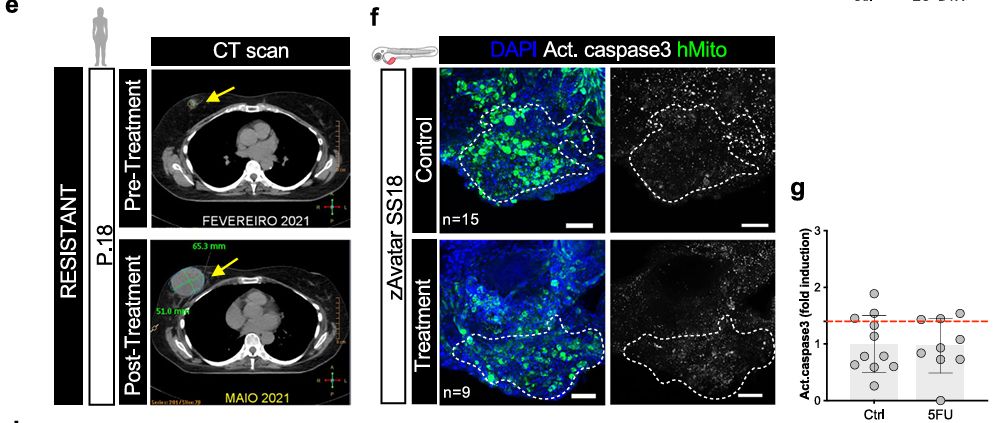
Figure 1. Patient CT scans pre/post-treatment (e) and zAvatars with matched ChT vs. controls (f), fixed at 3 dpi, 2 dpt. (Mendes RV, et al., 2025)
Reference
- Mendes RV, Ribeiro JM, Gouveia H, et al. Zebrafish Avatar testing preclinical study predicts chemotherapy response in breast cancer. NPJ Precis Oncol. 2025 Apr 1;9(1):94.
Need in vivo efficacy data to advance your lead optimization pipeline? Our team can design a zebrafish efficacy study tailored to your disease indication, compound class, and regulatory milestones. Contact our scientific team today to start your project.