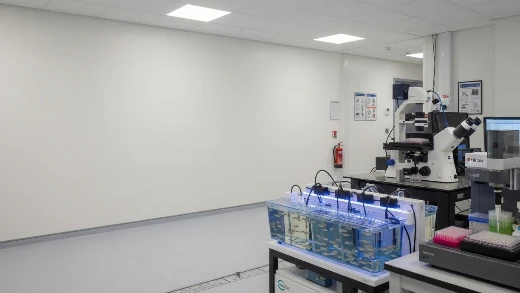
Zebrafish Toxicity and Safety Assays
Rodent safety studies consume 6--12 months and grams of precious compound before flagging liabilities. For seed-stage biotechs running lean, this timeline burns runway before you reach Series A. For pharma teams, late-stage toxicity kills programs after millions in sunk costs. Zebrafish embryos offer a whole-organism vertebrate alternative---strong concordance with mammalian cardiotoxicity, developmental toxicity, and hepatotoxicity endpoints---at 1/100th the compound consumption and 1/10th the timeline.
Our platform does not run generic FET screens and hand you raw LC50 curves. We deliver mechanism-driven safety profiles: organ-specific fluorescent reporters, cross-organ correlation analysis, and direct integration into our disease model generation and efficacy screening pipelines---so toxicity data informs lead prioritization and structural optimization, not just compound killing. Whether you need a rapid safety triage for a virtual pipeline or an audit-ready multi-organ liability assessment for IND-enabling packages, we deliver regulatory-contextualized data with full traceability.
Why Zebrafish Toxicity Testing Is the Critical Bridge Between Cells and Rodents?
Cell-based assays miss organ-level liabilities. Rodent studies come too late and cost too much. For seed-stage biotechs screening 50+ analogs, mammalian tox budgets kill programs before they reach the clinic. For pharma teams, a cardiac or hepatic flag at the GLP stage forces expensive reformulation or program termination.
Zebrafish close this gap as a genetically tractable vertebrate system with 71% human gene homology, optical transparency for intravital imaging, and embryonic development in days. OECD 236-aligned Fish Embryo Acute Toxicity (FET) assays deliver reproducible dose-response data at near-cell-screening throughput, while organ-specific fluorescent reporter lines enable real-time cardiac, hepatic, and neurological phenotyping without invasive dissection.
Our platform goes further. We do not treat toxicity as a pass/fail filter. We treat it as mechanistic intelligence: cross-organ correlation analysis identifies structure-toxicity relationships, and seamless handoff to our lead optimization and ADMET prediction teams transforms safety findings into actionable chemistry guidance---so your next analog is less toxic by design, not by accident.
OECD-Validated Protocols, Not Ad Hoc Screens
Every assay follows SOP-validated protocols aligned with OECD 236 and ICH M3(R2) guidance, with positive/negative controls, blinded scoring, and power-calculated cohort sizes. Data packages are formatted for direct inclusion in IND-enabling documentation and investor due diligence.
Organ-Specific Reporters, Not Gross Morphology
Validated fluorescent reporter models---cardiac (cardiac troponin), hepatic (hepatocyte-specific), endothelial (fli1:GFP vasculature), and neuronal---enable real-time, quantitative in vivo readouts. We quantify pericardial edema, hepatocyte apoptosis, and axon guidance defects, not just "survived or died."
Integrated Safety-to-Efficacy Pipeline, Not Isolated Toxicity Flags
Toxicity screening sits within the Zebrafish Screening Platform. The same husbandry team, the same project manager, and the same data architecture handle model generation and compound screening. Your C9orf72 knockout model transitions directly into compound rescue studies without cross-vendor handoffs, re-acclimation delays, or genotype re-verification. One project team, one data architecture, one accountability chain.
The Zebrafish Toxicity and Safety Suite
Acute & Developmental Toxicity Screening
Rapid, Standardized Safety Triage for Early-Stage Libraries
Key Features:
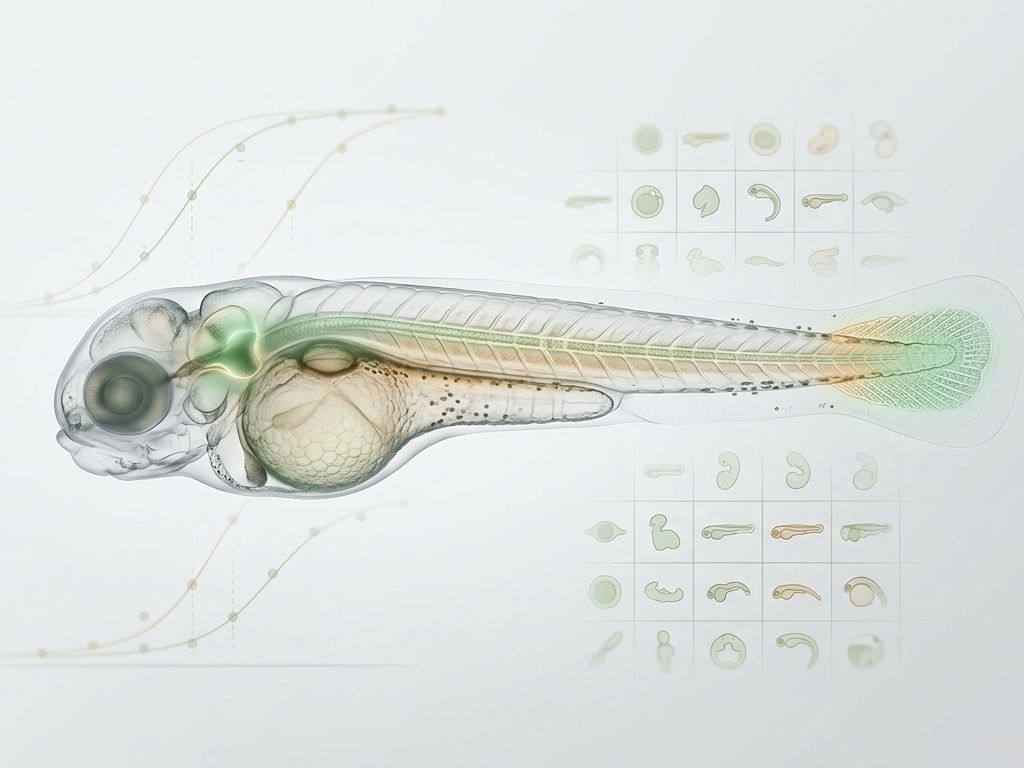
- OECD 236-Aligned FET Assays --- Standardized embryo acute toxicity screens with reproducible dose-response curves, LC50/IC50 determination, and teratogenicity index scoring.
- Developmental & Reproductive Toxicity --- Multi-generational exposure assessment tracking embryonic organogenesis, larval survival, hatching rate, and fecundity endpoints.
- Morphological Phenotyping --- Standardized teratogenicity scoring across 20+ anatomical structures with blinded evaluation protocols.
- Ideal For --- Early library triage; lead prioritization before mammalian commitment; formulation safety screening; hit identification stage de-risking.
Explore the Power of Screening-Ready Safety Triage:
For virtual biotechs screening 50+ analogs, our FET panel identifies lethal and sublethal liabilities in 4--6 weeks using milligram-scale compound---data you can present to your CSO and Series B investors before committing to rodent tox. For pharma teams, the teratogenicity index and developmental window analysis provide early embryonic safety signals that cell-based assays simply cannot capture. Every screen is delivered with complete dose-response documentation and QC metrics---formatted for direct inclusion in IND packages and investor data rooms.
Cardiotoxicity Profiling
In Vivo Cardiac Imaging with Mechanistic Resolution
Key Features:
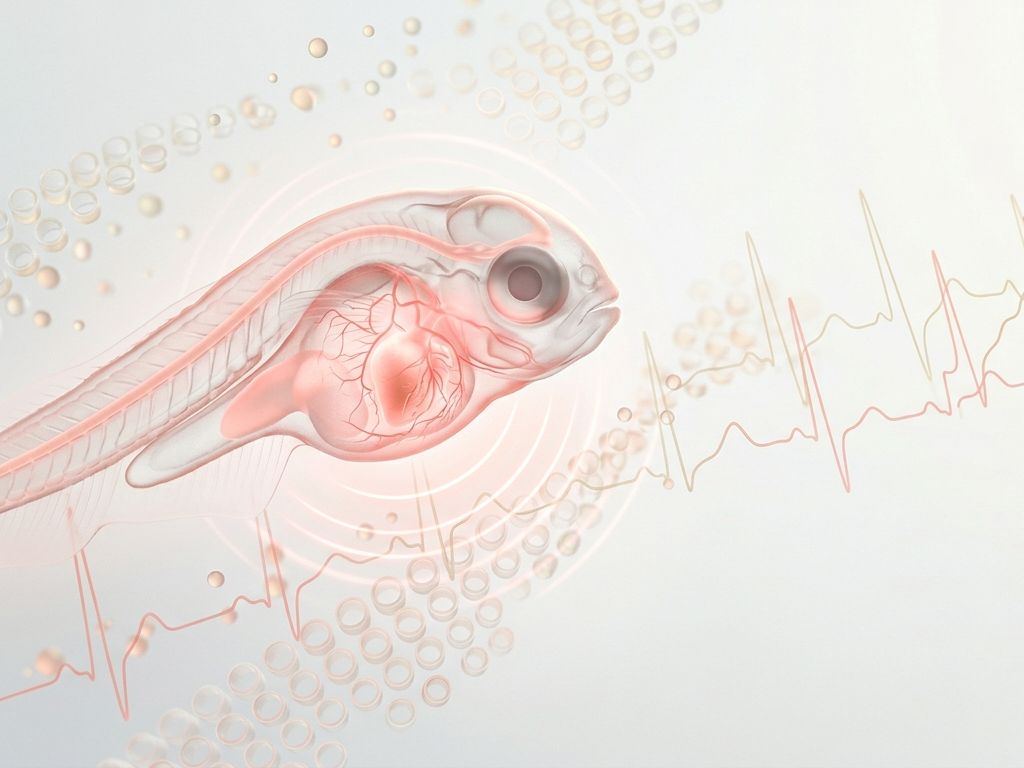
- Fluorescent Reporter Integration --- Real-time cardiac phenotyping using cardiac troponin and vascular reporters; quantification of heart rate, contractility, and pericardial edema.
- QT Prolongation & Arrhythmia Modeling --- Pharmacologically induced and genetically sensitized models for torsadogenic risk assessment with clinical concordance.
- High-Content Cardiac Imaging --- Automated 96-well format confocal imaging with temperature-controlled stages for long-term developmental observation.
- Ideal For --- Oncology pipeline cardiac safety; lead optimization stage hERG follow-up; combination therapy assessment; structure-toxicity relationship mapping.
Why It Matters:
Cardiotoxicity kills more oncology programs than efficacy failure. Our cardiac reporter lines turn drug-induced heart failure into observable, quantifiable light signals. When liabilities emerge, cross-referencing with our in silico ADMET predictions and medicinal chemistry capabilities enables direct feedback to your chemists---minimize the liability in the next synthesis cycle. For virtual biotechs, this means cardiac de-risking data before your next fundraising round. For pharma teams, it means IND-relevant in vivo safety narratives with statistical power.
Hepatotoxicity & Neurotoxicity Assessment
Liver and CNS Liability Quantification in a Whole Organism
Key Features:
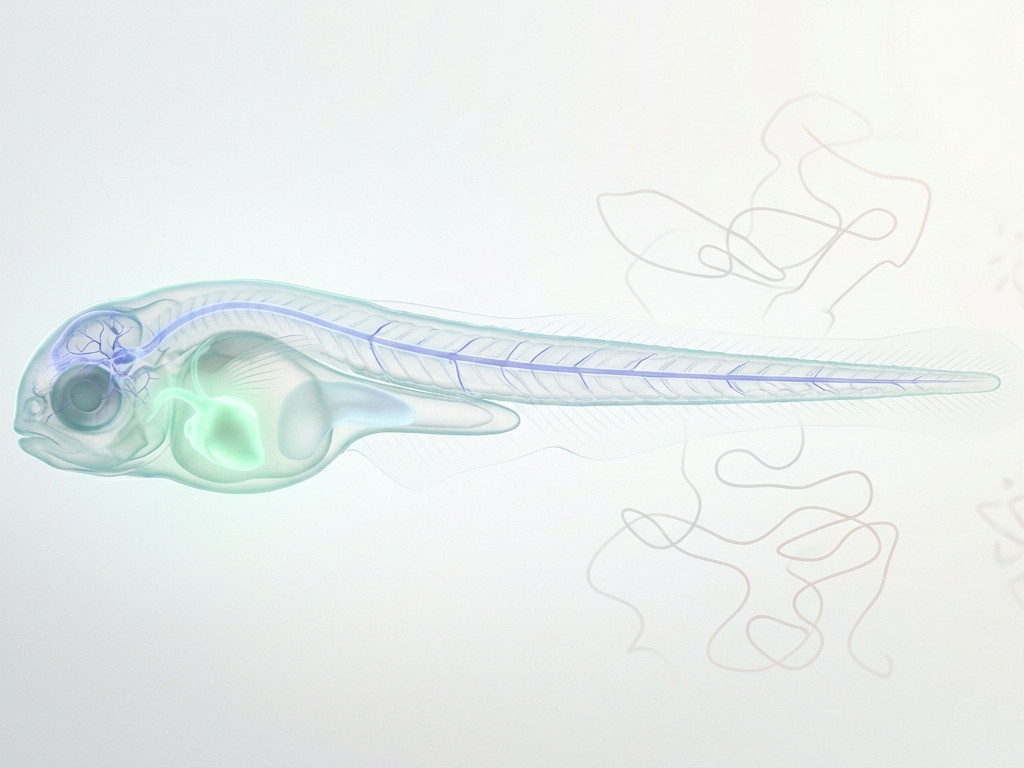
- Hepatocyte Reporter Models --- Hepatocyte-specific fluorescence markers for liver size quantification, bile duct morphogenesis, and hepatocyte apoptosis profiling.
- Locomotor & Neurobehavioral Batteries --- Automated larval tracking (distance, velocity, thigmotaxis) under alternating light-dark cycles; axon guidance phenotyping.
- Molecular Endpoints --- Quantitative RT-PCR profiling of stress response genes (cyp1a, sod1, caspase-3) for mechanism-of-toxicity validation.
- Ideal For --- CNS-targeted program safety de-risking; DILI early detection; neurodegenerative therapy safety windows; NMR-based pharmacometabonomics correlation studies.
How It Works:
Hepatotoxicity and neurotoxicity often manifest only in whole-organism contexts where drug metabolism and integrated physiology are intact. For biotechs developing CNS-penetrant compounds, our neurobehavioral batteries detect locomotor deficits at sub-lethal doses---signals that cell-based cultures miss entirely. For pharma teams, hepatocyte reporter data integrates directly with in vitro ADME-Tox profiling to build a cross-platform liver safety narrative for regulators.
Multi-Organ Safety Panels & Mechanistic De-risking
Integrated Liability Profiling with Cross-Organ Intelligence
Key Features:
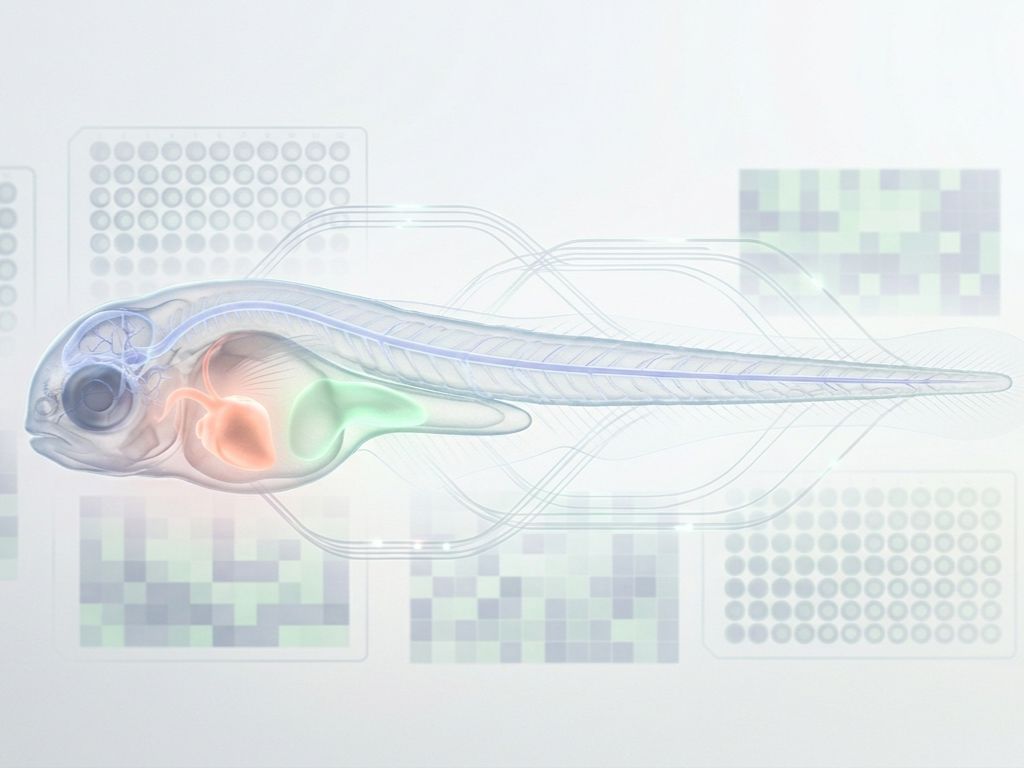
- Simultaneous Multi-Organ Assessment --- Cardiac, hepatic, and neurological endpoints quantified in individual larvae, maximizing data density per compound.
- Cross-Organ Correlation Analysis --- Statistical correlation of organ-specific liabilities to identify clean profiles versus structure-alert patterns.
- Rescue & Mechanism Screening --- Co-treatment with protective agents or pathway modulators to elucidate toxicity mechanism and identify de-risking strategies.
- Ideal For --- Final candidate selection before GLP tox; combination therapy safety assessment; hit-to-lead prioritization with limited chemical matter.
What We Offer:
Most CROs run single-organ assays in isolation. We run integrated panels that reveal how cardiac stress compounds hepatic metabolic load. For fragment-to-lead programs, our cross-organ analysis determines whether the liability is scaffold-class-wide or analog-specific---guiding medicinal chemistry resource allocation with quantitative precision. Every panel includes a priority scorecard ranking your series by multi-organ safety index.
Platform Instrumentation
| Instrument | Core Capability |
|---|---|
| Tecniplast ZEBTEC Multi-Rack System | Closed-loop recirculating aquaculture with automated water quality management. Temperature, pH, conductivity, and ammonia monitored continuously; UV sterilization maintains SPF-grade colonies. |
| Zeiss LSM 880 with Airyscan | Live-imaging confocal platform with fast Airyscan super-resolution, temperature-controlled stage incubator, and multi-channel spectral detection for real-time cardiac contractility imaging. |
| Noldus DanioVision with EthoVision XT | Automated larval locomotor tracking chamber with controlled infrared illumination and programmable light-dark stimuli. Quantifies distance, velocity, and thigmotaxis in 96-well formats. |
| PerkinElmer Operetta CLS | Multi-organ fluorescence imaging in 96-well format with automated focusing and phenotypic analysis. High-throughput cardiac, hepatic, and vascular endpoint quantification. |
| Bio-Rad CFX384 Touch | Real-time PCR with high-resolution melt (HRM) analysis for rapid stress gene expression profiling (cyp1a, sod1, caspase-3) and mechanism validation. |
| Leica M205 FA Stereomicroscope | Fluorescence-capable stereomicroscope with 20:1 zoom range and LED excitation for developmental morphology scoring and teratogenicity phenotyping. |
Standardized Workflow
Project Workflow
A standardized, milestone-driven execution system. From compound receipt to mechanism-informed safety report---managed by a single project team, tracked in real time.


01 Project Scoping & Dose Design
- Compound format review, solubility assessment, and dose-range determination
- Endpoint selection: acute FET, single-organ, or multi-organ panel
- Statistical power calculation and control selection
Deliverable: Study protocol + dose rationale + Gantt chart
02 In Vivo Exposure & Primary Readouts
- Zebrafish embryo exposure across defined dose groups
- Daily survival monitoring and gross morphology scoring
- Preliminary LC50/IC50 and fluorescent readout acquisition
Deliverable: Survival tracking + dose-response curves + QC metrics
03 Organ-Specific Endpoint Analysis
- Cardiac imaging: heart rate, contractility, pericardial edema quantification
- Hepatotoxicity and neurobehavioral endpoint quantification
- Histopathological correlation and stress gene expression profiling
Deliverable: Organ-specific imaging data + quantitative readouts
04 Cross-Organ Correlation & Mechanistic Analysis
- Cross-organ liability correlation and structure-toxicity mapping
- Mechanistic pathway enrichment (Cyp1 metabolism, oxidative stress)
- Integration with disease model phenotypes and computational predictions
Deliverable: Correlation matrix + mechanistic report + priority scorecard
05 Safety Reporting & Lead Prioritization
- Comprehensive interpretative safety report with risk stratification
- Regulatory-formatted data package for IND or investor data rooms
- Direct handoff to efficacy screening or lead optimization teams
Deliverable: Final technical report + validated dataset + transition plan
*Acute FET or single-organ panels: 4--6 weeks. Multi-organ integrated panels: 8--10 weeks.
Sample Requirements
| Requirement | Details |
|---|---|
| Compound format | Powder or DMSO stock; 5 mg (FET), 10 mg (multi-organ) |
| Solubility data | Stability in aquatic media recommended prior to submission |
| Compound properties | MW, LogP, pKa helpful for dose-range design |
| Cardiac imaging | Reporter model compatibility confirmed on consultation |
| Prior data | Any in vitro ADME or toxicity flags to guide endpoint selection |
Standard Deliverables
- Study design and dose-response data summary with statistical power documentation
- Survival curves and LC50/IC50 values with 95% confidence intervals
- Organ-specific imaging data, quantitative readouts, and automated analysis scripts
- Cross-organ correlation analysis and compound prioritization scorecard
- Mechanistic interpretation report with pathway enrichment and structure-toxicity guidance
- Regulatory-formatted safety report suitable for IND-enabling packages and investor due diligence
Frequently Asked Questions
Yes. We operate as your outsourced in vivo pharmacology department. You receive audit-ready safety reports without building vivarium infrastructure. For programs advancing to efficacy screening, the same project team manages handoff with zero friction.
Strong concordance for developmental, cardiac, and hepatic endpoints. OECD 236-aligned FET protocols ensure regulatory recognition as part of a weight-of-evidence approach. All deliverables are formatted for IND documentation.
Yes. The same C9orf72 knockout or patient-variant lines transition directly into toxicity assessment. Saves 2--4 weeks versus external transfer. One team, one data architecture, full traceability.
FET screens: 5--10 mg. Single-organ: 10--20 mg. Multi-organ: 20--50 mg. This is 1/50th to 1/100th of rodent requirements. Miniaturized formats available for precious late-stage analogs.
Yes. Single compounds, binary/ternary mixtures, formulation variants, and prodrug activation studies within unified designs. Direct comparison of toxicity profiles across conditions.
Acute/single-organ: 4--6 weeks. Multi-organ: 8--10 weeks. Expedited timelines available for investor or regulatory milestones with weekly updates.
Mechanism-driven de-risking intelligence. Cross-organ correlation, stress gene profiling, and structure-toxicity mapping transform findings into synthetic directives---not rejection letters.
Case Study
Case Study: Mechanism-Driven Cardiotoxicity De-risking — A Peer-Validated Paradigm
Published Evidence:
Lam PY et al. (Chembiochem, 2020) established a zebrafish doxorubicin cardiomyopathy model that recapitulates human anthracycline cardiotoxicity and enables mechanism-resolved screening. This peer-reviewed framework illustrates the assay architecture our platform scales for industrial execution.
Key Findings (literature-reported):
- Model Fidelity: Doxorubicin induced consistent cardiac phenotypes (pericardial edema, reduced contractility) mirroring human cardiotoxicity signatures.
- Mechanistic Resolution: Cyp1 inhibition was identified as the primary protective mechanism via high-content screening, validated pharmacologically and genetically.
- Chemistry Translatability: Cyp1 pathway findings provided direct structural optimization vectors—analogs with reduced Cyp1 bioactivation retained potency while shedding cardiotoxicity.
Industrial Translation:
For seed-stage biotechs, this paradigm delivers mechanism-resolved cardiotoxicity data in 4–6 weeks with milligram-scale compound—preserving runway while generating IND-relevant safety narratives. For pharma teams, it confirms that zebrafish profiling yields actionable medicinal chemistry directives, not just liability flags. Our platform reproduces this peer-reviewed depth with audit-ready SOPs, statistical documentation, and direct handoff to lead optimization and efficacy screening.
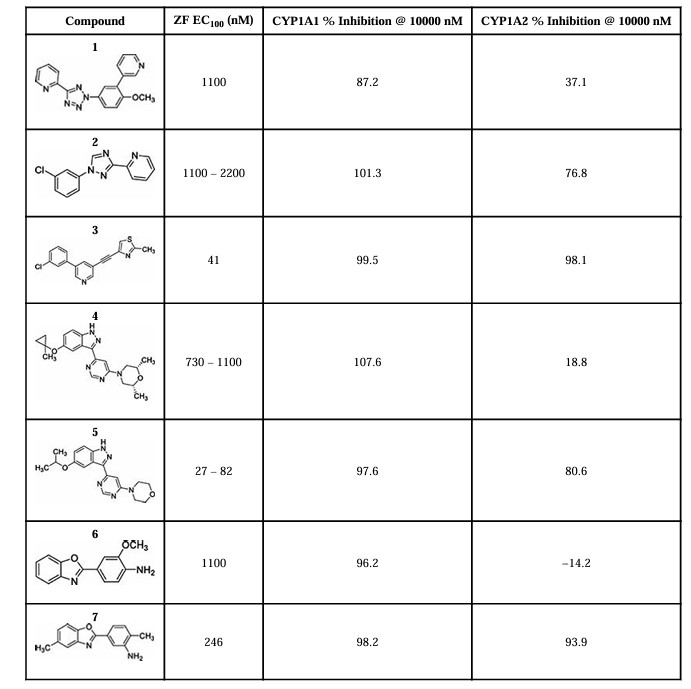
Figure 1. Chemical structures and inhibitory activity of selected compounds against human CYP1A1/CYP1A2, with efficacy data in the zebrafish Dox model. (Lam PY, et al., 2020)
Reference
- Lam PY, Kutchukian P, Anand R, et al. Cyp1 Inhibition Prevents Doxorubicin-Induced Cardiomyopathy in a Zebrafish Heart-Failure Model. Chembiochem. 2020 Jul 1;21(13):1905-1910.
Need in vivo toxicity data to de-risk your lead optimization pipeline? Our team can design a zebrafish safety panel tailored to your compound class and regulatory milestones. Contact our scientific team today to start your project.